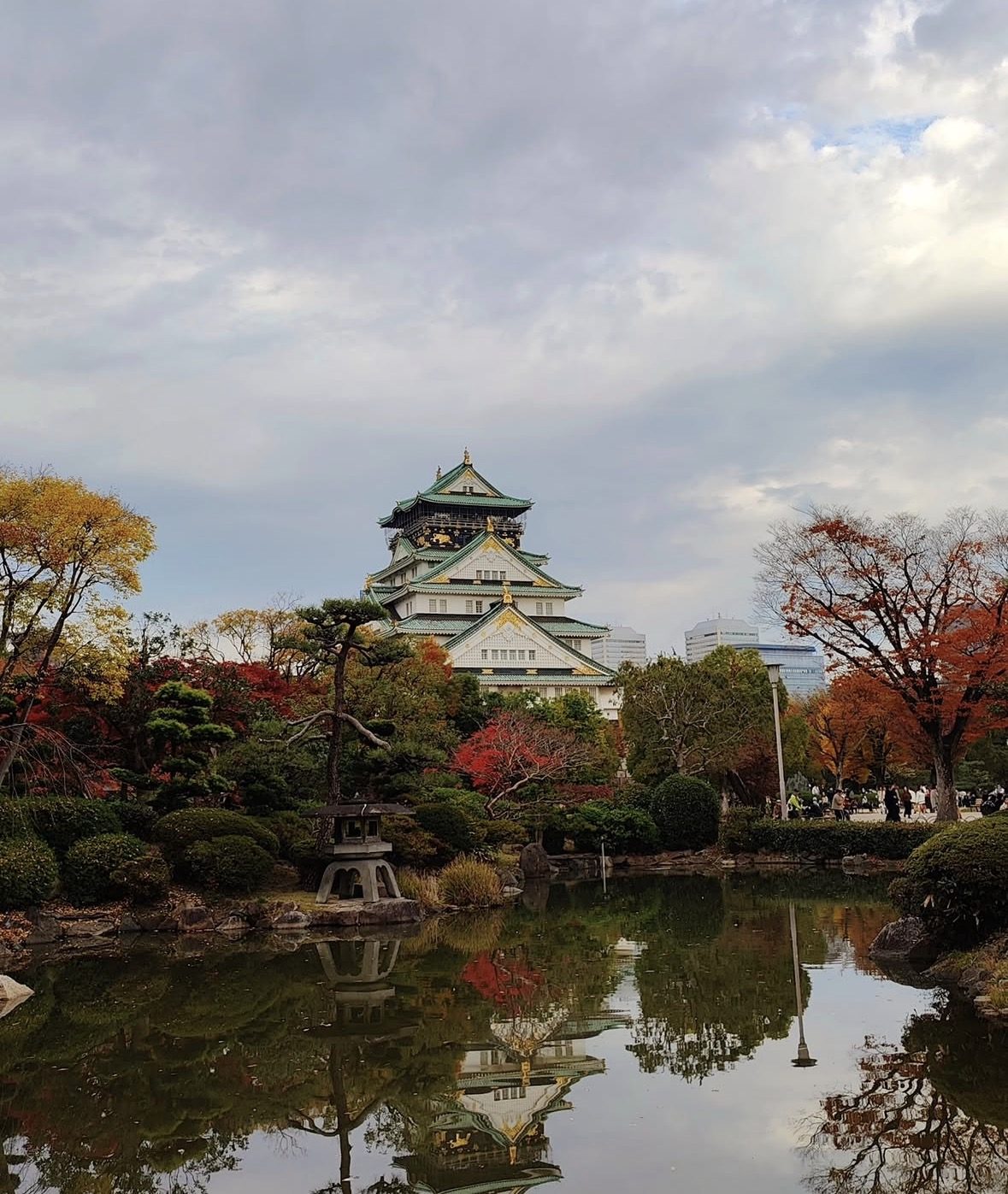
Rising above a moat of mirrored water and ancient stone walls, Osaka Castle has witnessed the unification of Japan, catastrophic sieges, and remarkable reinventions across four turbulent centuries. Behind its gleaming white facade lies one of history's most dramatic stories of ambition, destruction, and enduring national pride.
Osaka Castle's story begins in 1583, when the warlord Toyotomi Hideyoshi ordered its construction on the site of the Ishiyama Honganji, a powerful Buddhist fortress-temple that had stood for over a century. Hideyoshi, who had risen from a peasant foot soldier to become the most powerful man in Japan, envisioned a castle that would symbolize his authority over a newly unified nation. He mobilized an estimated 30,000 laborers and drew upon stone from across the Kinki region, creating a fortification designed to be utterly impregnable. The original castle complex covered an enormous area, dwarfing even the great castles of rival warlords.
Construction was completed around 1597 after roughly fourteen years of continuous building. Hideyoshi populated the surrounding castle town, which would grow into modern-day Osaka, with merchants and craftsmen, deliberately cultivating an economic powerhouse beneath his military stronghold. The castle's main tower originally rose five stories on the exterior and eight stories internally, sheathed in black lacquered paneling and gold leaf decorations that announced Hideyoshi's extraordinary wealth. Contemporary accounts describe foreign visitors and Japanese nobles alike expressing astonishment at its scale and opulence, cementing Osaka as the political and commercial heart of Hideyoshi's Japan.
After Hideyoshi's death in 1598, his young son Toyotomi Hideyori inherited the castle, but power shifted rapidly toward Tokugawa Ieyasu following the decisive Battle of Sekigahara in 1600. Tensions between the Toyotomi clan and the emerging Tokugawa shogunate culminated in the Winter Siege of Osaka in 1614, when Ieyasu led a massive army against the castle. The siege ended in a negotiated truce that led to the castle's outer defensive moats being filled in — a devastating strategic concession that left the Toyotomi fatally exposed for the Summer Siege of 1615.
The Summer Siege of 1615 proved catastrophic for the Toyotomi legacy. Tokugawa forces overwhelmed the castle's defenses, and as defeat became inevitable, fire consumed the main tower. Hideyori and his mother Yodogimi died within the burning complex, ending the Toyotomi lineage and cementing Tokugawa dominance over Japan for the next 250 years. The destruction was so complete that Ieyasu's successor, Tokugawa Hidetada, effectively built an entirely new castle beginning in 1620, burying Hideyoshi's original stonework under meters of new landfill — a deliberate act of symbolic erasure that ironically preserved the original foundations for modern archaeologists.
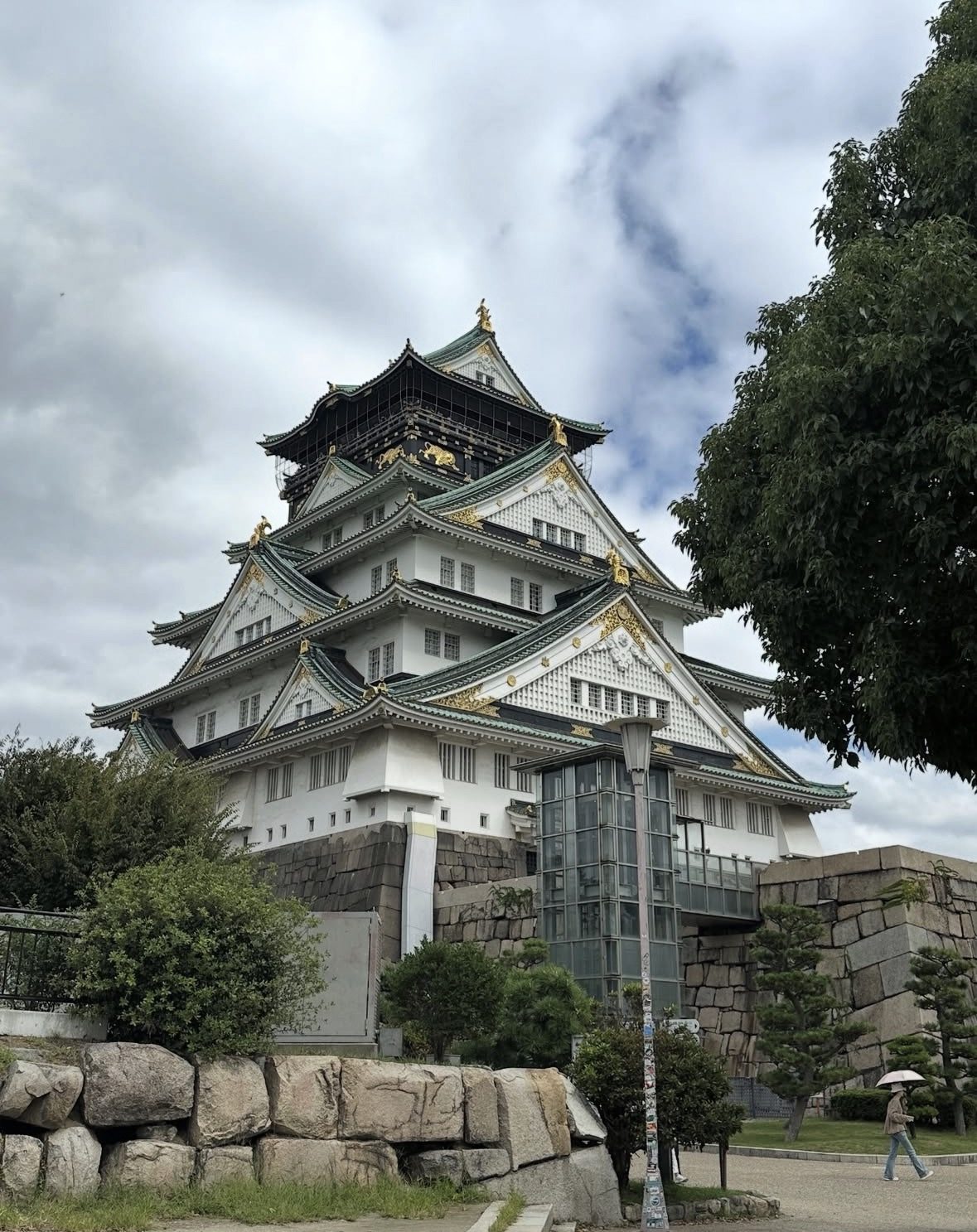
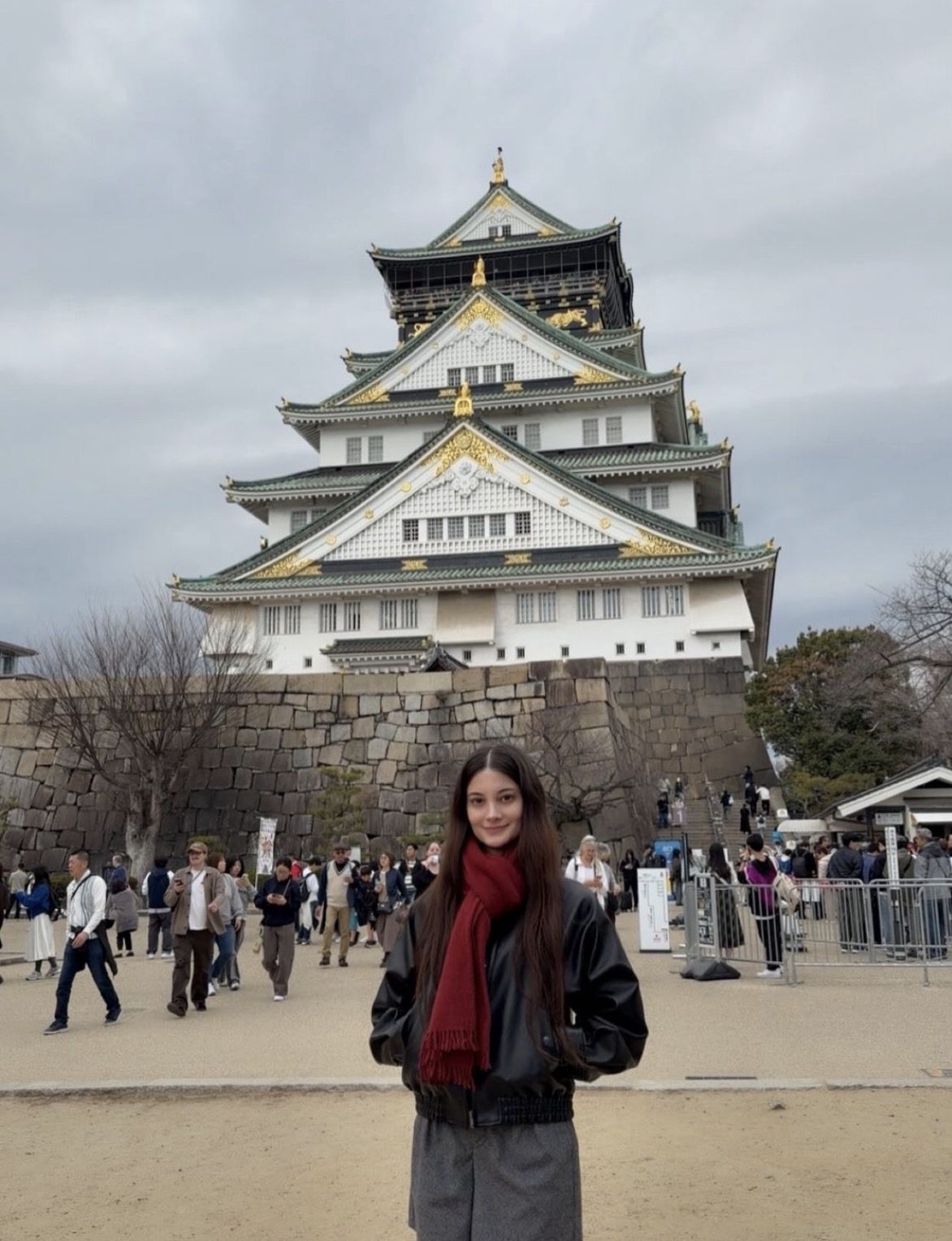
The Tokugawa reconstruction produced a castle that differed significantly from Hideyoshi's original vision, yet it was no less magnificent. Completed around 1629, the new structure featured a five-story exterior and an eight-story interior tower clad in white plaster and green roof tiles — the distinctive appearance that defines the castle's image today. Tragically, lightning struck and destroyed this second main tower in 1665, and the Tokugawa shogunate, wary of the immense cost and perhaps the political symbolism, declined to rebuild it. The castle compound remained active as a military garrison but stood without its iconic tower for over two centuries.
The fall of the Tokugawa shogunate during the Meiji Restoration of 1868 brought fresh turmoil to Osaka Castle. Imperial loyalist forces attacked the castle, which had served as a Tokugawa military headquarters, and fires again ravaged many of its structures. The new Meiji government repurposed the grounds as a military base, and the Imperial Japanese Army maintained a significant presence there through the early twentieth century. Though the outer walls and gates survived largely intact, the absence of a main tower left the castle feeling like a body without a head, robbing Osaka of its most powerful architectural symbol.
Public pressure and civic pride eventually drove a grassroots fundraising campaign in the late 1920s to restore Osaka's iconic skyline. An astonishing 1.5 million yen was raised entirely through citizen donations — equivalent to tens of millions of dollars today — without any government funding. The reconstruction effort was guided by surviving historical illustrations and records, and the new ferro-concrete main tower was completed in November 1931. Although historians note that the reconstruction followed the Tokugawa-era design rather than the original Hideyoshi structure, the restored tower immediately became a beloved symbol of Osaka's identity and resilience.
World War II brought yet another near-catastrophe to the castle. American bombing raids on Osaka in 1945 devastated the surrounding military arsenal and many secondary structures within the compound, but the main tower itself miraculously survived. Postwar, the castle grounds were returned to civilian use and Osaka Castle Park was established around the surviving structures. A second major renovation between 1995 and 1997, coinciding with the castle's unofficial 400th anniversary, saw the interior completely modernized to house an impressive eight-floor museum, while the exterior was restored to its striking black, white, and gold appearance.
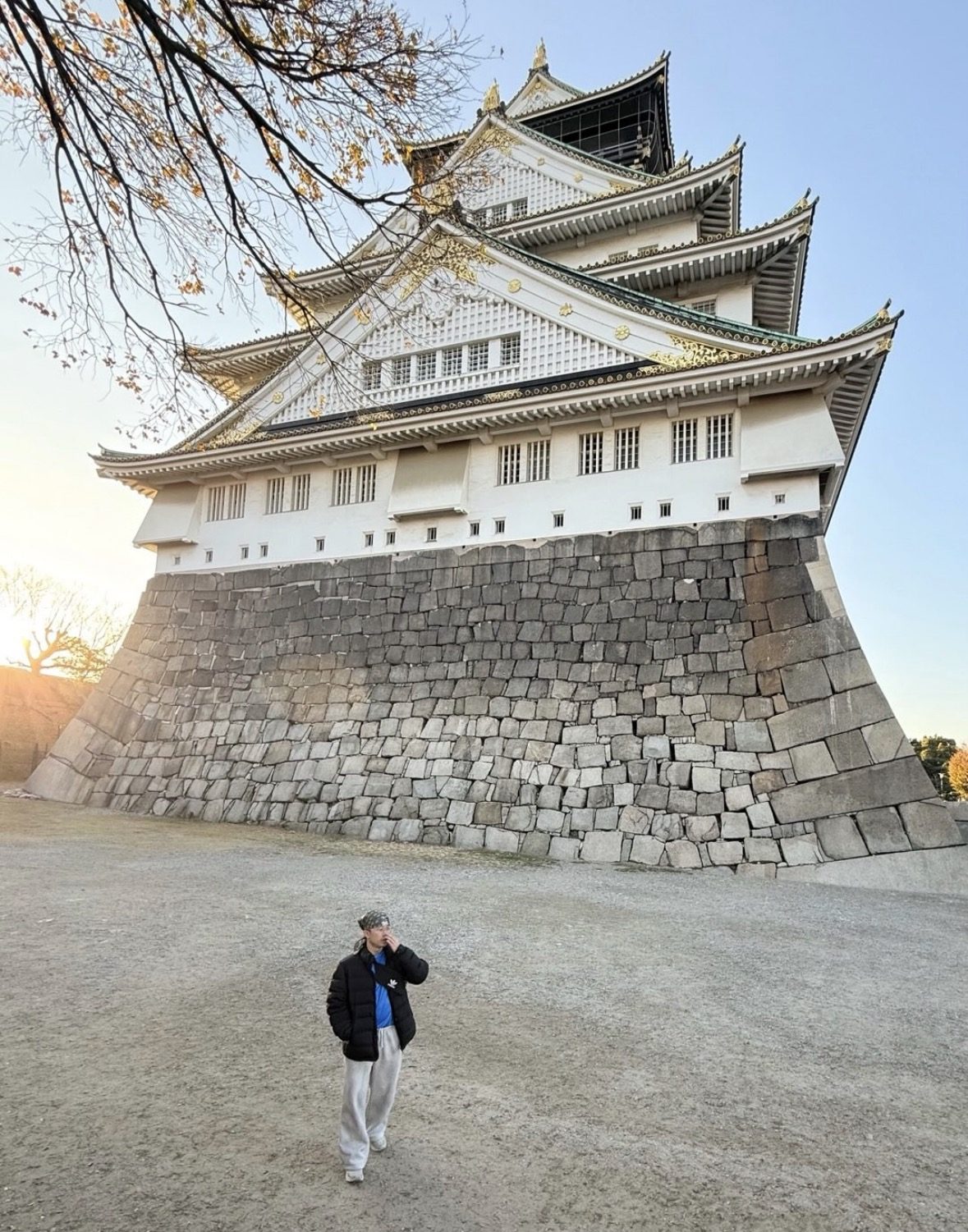

Osaka Castle today stands within an expansive 106-hectare park that attracts over two million visitors annually, making it one of Japan's most visited historical landmarks. The grounds contain thirteen structures designated as Important Cultural Properties, including the iconic Otemon Gate and Sakuramon Gate, whose massive foundation stones — including the legendary 130-ton 'Octopus Stone' — represent some of the largest castle stonework in Japan. The interior museum offers eight floors of immersive exhibits tracing Osaka's history from the Sengoku period through the modern era, with the panoramic observation deck on the eighth floor delivering a breathtaking view across the Osaka skyline.
Whether you visit in spring when hundreds of cherry trees transform the outer moat into a corridor of pink blossoms, or in autumn when the ginkgo trees blaze golden against the castle's white walls, Osaka Castle delivers an experience that resonates long after you leave Japan. Walking the same stone pathways that Hideyoshi's generals and Tokugawa's armies once trod, peering into the same moat that reflected fires of siege and ambition, connects you viscerally to the forces that shaped an entire civilization. Few places on earth compress so much history, drama, and beauty into a single skyline — Osaka Castle is not merely a landmark but an invitation to truly understand Japan.
Ready to Experience It Yourself?
Guided tours of Osaka Castle unlock layers of history that most visitors walk right past — from the buried Hideyoshi-era foundations beneath your feet to the secret defensive engineering of the Tokugawa walls. Book a expert-led tour today to ensure you experience every hidden detail, skip the longest queues, and leave with a genuine understanding of why this castle changed the course of Japanese history. Don't just see Osaka Castle — truly discover it.
Book Your Tour Now